Have you seen your child get upset after not getting what they want? Or heard them say, “I’m just bad at math,” and stop trying?
As parents, you want your kids to be confident, strong, and willing to learn. The good news is that you can help them face challenges gracefully with a growth mindset.
In this article, you’ll learn how to help your child face challenges with confidence. This is key to unlocking your kid’s full potential. We’ll explore the importance of a growth mindset for kids and how you can teach it.
This isn’t about telling your child they’re “smart.” It’s about teaching them that their brain is like a muscle—it gets stronger with effort and practice.
🎥 Watch with your child: This short video helps kids understand what a growth mindset really means. It also shows them how to start using it every day.
Teachers and parents can use it as a fun intro before diving into the tips below.
What is a Mindset?
A mindset is simply the way you think about your own abilities and potential. It’s the lens through which you view challenges, mistakes, and learning.
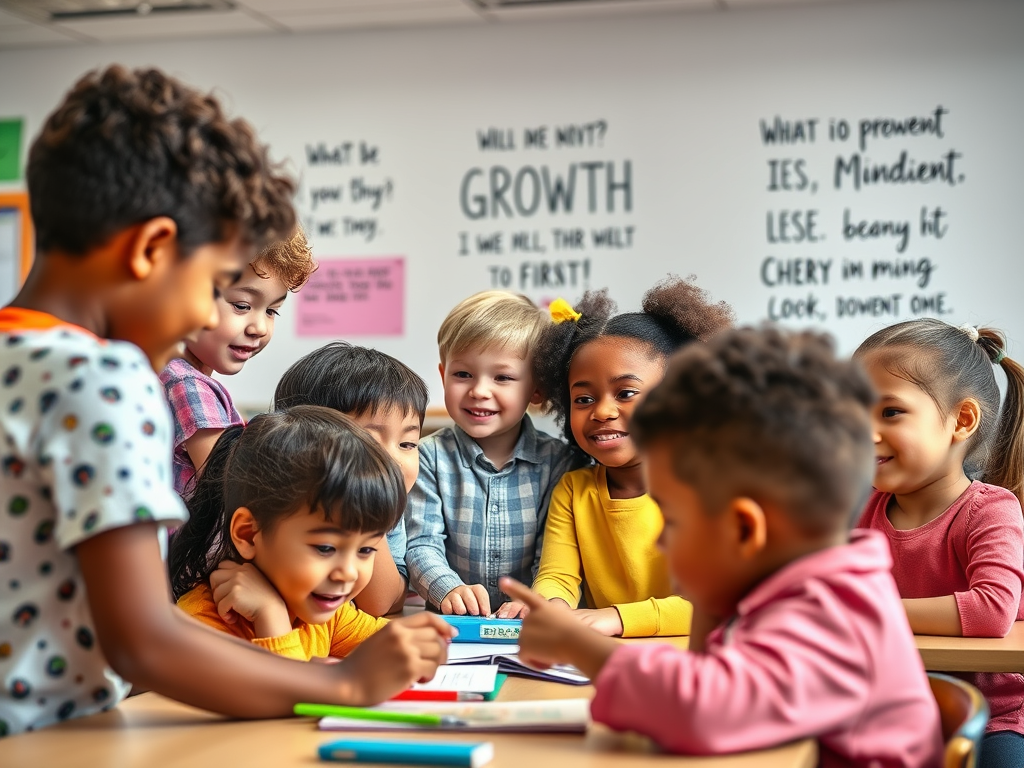
What is the difference between a growth mindset and a fixed mindset child?
A fixed mindset believes abilities are static. You’re either good at something, or you’re not. A growth mindset understands that abilities can be developed through dedication and hard work.
Here’s a quick comparison:
| Fixed Mindset | Growth Mindset |
|---|---|
| “I’m such a slow reader.” | “The more I read, the better I get at reading.” |
| “I’m bad at math.” | “I’m not great at math yet, but I will learn!” |
| “Mistakes mean I failed.” | “Mistakes are a chance for me to learn and grow.” |
| “I’ll give up if it’s too hard.” | “This is tough, but I’ll keep trying until I get it.” |
Teaching kids the difference between a fixed and growth mindset is crucial for empowerment.
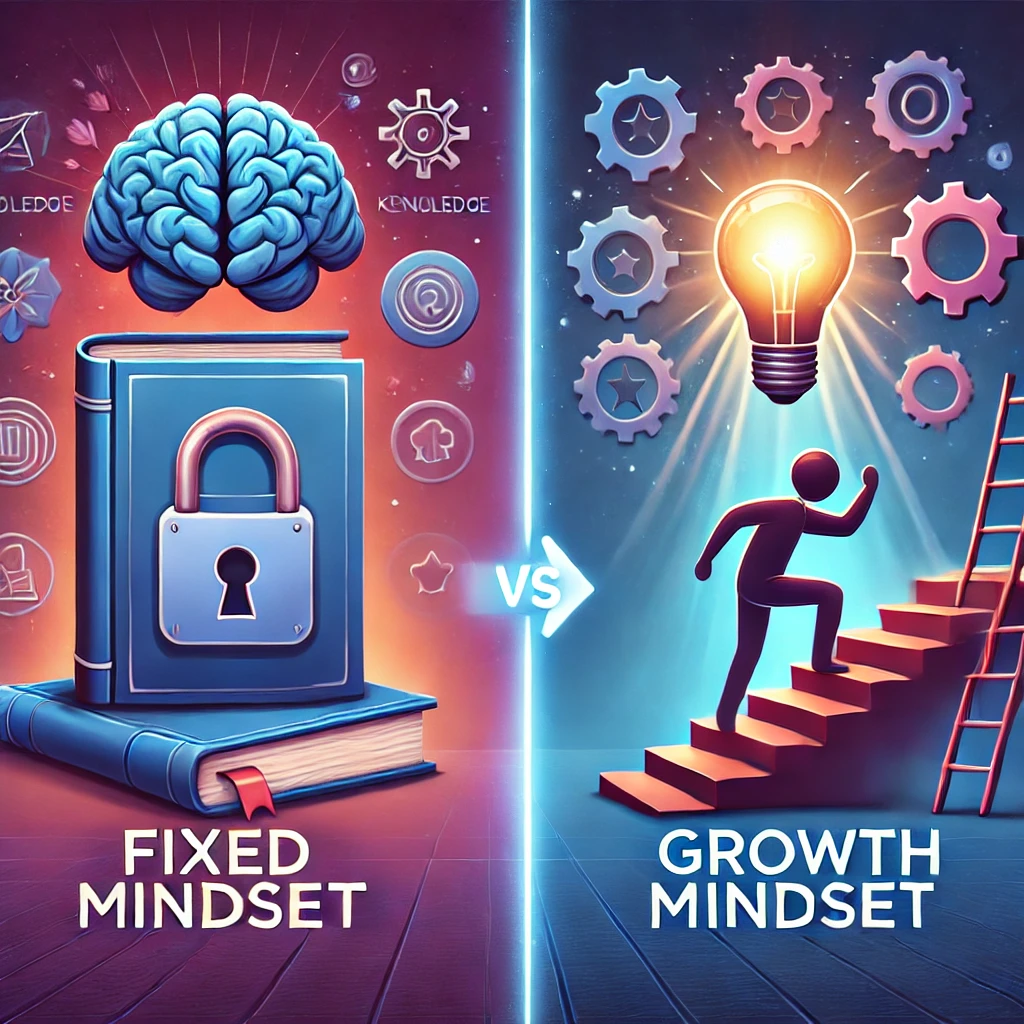
When children realize they can improve their abilities and intelligence through effort and dedication, they become more resilient. They develop a love for learning. They are also more willing to face challenges.
This understanding creates a positive attitude towards education and gives them tools to overcome obstacles. They learn to see failure as a part of learning. This perspective ultimately boosts their self-confidence in both personal and academic areas.
Seeing Mindsets in Action: The Bike-Riding Test
Imagine two kids trying to ride a bike for the first time:
- The Fixed Mindset Child: After one fall, they might say, “I’m terrible at this. I’ll never learn.” They give up right away, believing they lack the natural talent.
- The Growth Mindset Child: After a fall, they might say, “This is tough, but I’ll get it with practice!” They brush themselves off and keep trying until they master it.
A fixed mindset leads to frustration. It often results in giving up. In contrast, a growth mindset sees every challenge as an opportunity for progress.
4 Powerful Strategies to Teach Your Child a Growth Mindset
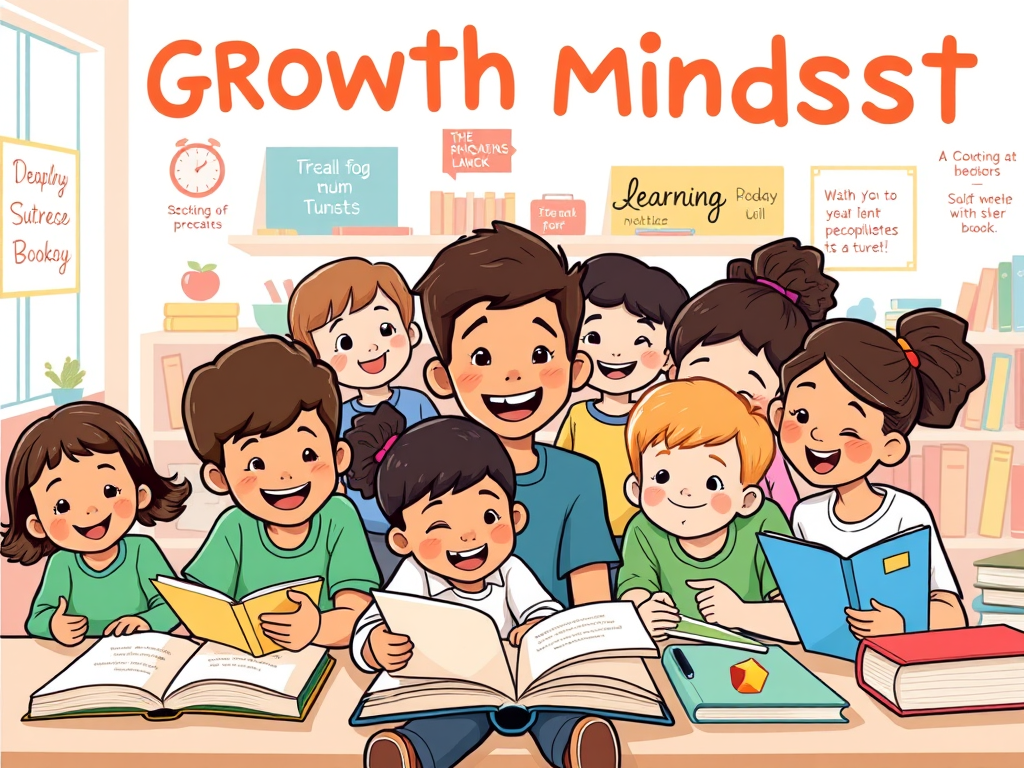
Ready to start? Here’s how you can empower your child today and foster growth mindset kids:
1. Embrace the Power of “Yet“
This is one of the most effective ways to teach a growth mindset for kids. Teach your child to add the word “yet” to the end of a negative thought.
- Instead of: “I can’t do this!”
- Try: “I can’t do this… yet!“
This simple word shift instantly transforms a feeling of failure into a feeling of possibility.
2. Praise the Effort, Not Just the Result
Instead of saying, “You’re so smart!” after they get a good grade, try praising the effort they put in.
- Say: “You worked so hard to study for that test, and it paid off!”
This teaches them that hard work is the key to success, not innate talent. When you focus on effort, you are actively building a growth mindset for kids.
3. Celebrate Mistakes as Learning Opportunities
When your child makes a mistake, avoid frustration. Instead, ask them:
- “What did you learn from that?”
- “How could we do that differently next time?”
This turns mistakes from a source of shame into a valuable part of the learning process.
4. Model a Growth Mindset Yourself
Be a living example for your child. Talk openly about your own struggles and how you overcame them.
- Say: “I’m having a hard time with this recipe, but I’m going to watch a video to figure it out.”
- Ask for help when you need it. This shows your child that learning is a lifelong journey.
Daily Growth Mindset Challenge
A simple, powerful way to reinforce these lessons is to end each day with this question:
“What was one thing you learned or struggled with today, and what did you do to overcome it?”
This daily reflection will help your child see their progress and build their resilience over time.
To put these ideas into practice, you can also use resources like this video of growth mindset affirmations to help reinforce these powerful concepts with your kids:
A growth mindset is the greatest gift you can give your child. It’s the key to helping them become confident, resilient, and ready to take on any challenge.
Now It’s Your Turn!
What’s one thing you’ll do to start developing growth mindset kids? Let me know in the comments.

 Marko Ceki
Leave a comment