At the intersection of neuroscience and personal development, you will learn about the profound power of neuroplasticity—your brain’s ability to adapt and grow. Understanding the synergy between neuroplasticity and mindset unveils the ability you have to sculpt your brain and foster limitless personal growth. In this article, you will find out exactly how the brain plays into mindset. P.S. Read until the end to discover the knowledge and tools to harness your brain’s potential for fostering a growth mindset.
How does your mindset shape your brain?
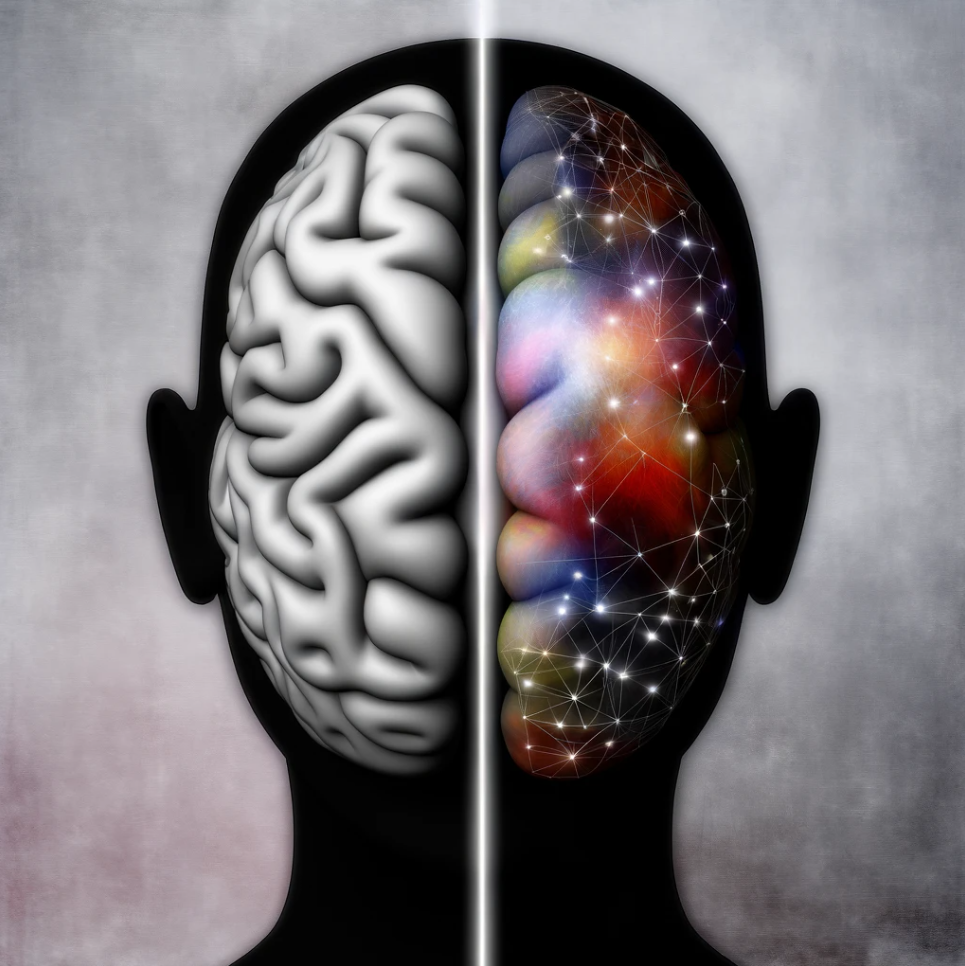
The Science of Mindset
Unveiling the Power of the Mindset
Within the complex network of neurons and synapses, lies the foundation of your mindset, influencing your perceptions, guiding your actions, and shaping your reality.
Research in psychology and neuroscience has shown that our mental framework can significantly influence our behavior and even our physiological health. A positive mindset can lead to better health outcomes, while a negative mindset can have the opposite effect. The connection between your brain and mindset is powerful and mutual.
This next section dives deep into the connection between your cerebral functions and mental framework.
The Interplay of Brain & Mindset: An Overview
The relationship between our brain’s structure and our mindset is like a two-way street. Our brain, with its complex network of neurons, is responsible for every thought, emotion, and behavior we exhibit. This network isn’t fixed; it can change and adapt through a process called neuroplasticity. Depending on which type of mindset you have, you can actually make your brain better at facing challenges and learning.
Fixed Mindset Vs. Growth Mindset Quiz: https://biglifejournal.com/blogs/blog/fixed-mindset-vs-growth-mindset-quiz
Growth Mindset: The Brain’s Role in Personal Transformation
Neuroplasticity: The Brain’s Ability to Adapt and Evolve
Imagine your brain can stretch and grow like playdough. When you learn new things or practice a skill, your brain builds stronger connections between neurons. This shows that what you do can change how your brain works and even how you think and feel about things. Neuroplasticity shows us that our mindset—our beliefs, attitudes, and the way we view the world—can physically change our brain. When we adopt a growth mindset, focus on learning new skills, or challenge ourselves mentally, we’re not just changing how we think; we’re literally reshaping our brain.

Growth Mindset and Creativity
When you face challenges head-on with a growth mindset, you not only tackle the problem at hand but also activate your brain’s problem-solving and creativity centers. This process doesn’t just help you find solutions; it also strengthens your brain, making it better at handling difficulties in the future. Essentially, every challenge you overcome is like a workout for your brain, increasing its resilience and flexibility. Moreover, confronting obstacles encourages you to think outside the box and come up with innovative solutions, further enhancing your cognitive abilities and creative thinking skills.
Learning from Mistakes
Let’s talk about a superpower you might not know you have: learning from your mistakes. Yep, every time you mess up, there’s a hidden opportunity to boost your brainpower and resilience. It’s all about taking a step back, giving that mistake a good, hard look, and asking, “What can I learn from this?” This isn’t just about fixing a failure; it’s about lighting up those problem-solving and memory circuits in your brain, making you sharper and more adaptable for whatever comes next.
Now, I know what you’re thinking: “But mistakes feel terrible!” True, but here’s the twist – they’re incredibly valuable. Each mistake is a mini-masterclass in getting better at life. By embracing these oops moments and mining them for insights, you’re not just learning; you’re rewiring your brain for success. This approach turns every setback into a set-up for growth and increases your odds of future success.
Adopting a growth mindset is like telling the world, “Bring it on!” It means you see every challenge not as a roadblock but as a chance to grow. So, the next time you flub up, take a moment to celebrate. Yes, celebrate! Because you’ve just been handed a golden ticket to becoming a more resilient, capable, and insightful you. Dive into those mistakes, extract every ounce of wisdom they have to offer, and watch as you transform your life, one lesson at a time.
“I don’t divide the world into the weak and the strong, or the successes and the failures, those who make it or those who don’t. I divide the world into learners and non-learners.” ― Benjamin Barber
Every mistake is a chance to boost your brainpower and resilience. Reflecting on errors sharpens your problem-solving skills and prepares you for future challenges. By valuing these lessons, you pave the way for a growth mindset focused on continuous improvement. Next, we’ll explore “Strategies for Cultivating a Growth Mindset” to turn this philosophy into action.

Practical Applications
Strategies for Cultivating a Growth Mindset
Cultivating a growth mindset isn’t just about knowing the benefits; it’s about putting practical strategies into action. Here’s how you can start developing a mindset that embraces challenges, values effort, and sees mistakes as opportunities for growth.
1. Embrace Challenges
First up, start seeing challenges as opportunities. When something seems tough, tell yourself, “This is a chance to grow.” It’s not about succeeding on the first try; it’s about stepping out of your comfort zone and learning something new.
2. Persist in the Face of Setbacks
Setbacks aren’t stop signs; they’re just signs that say, “Try a different way.” If you hit a roadblock, take a step back, and approach the problem from a new angle. Remember, resilience is key.
3. Effort is the Path to Mastery
Understand that effort leads to improvement. View hard work not as a sign of weakness but as a crucial step toward mastering a skill. Celebrate the effort itself, not just the outcome.
4. Learn from Criticism
Feedback is your friend. Instead of taking criticism personally, see it as valuable input that can help you improve. Ask yourself, “What can I learn from this?” and use it as a tool for growth.
5. Find Inspiration in Others’ Success
Instead of feeling threatened by others’ success, let it inspire you. Look to their achievements as examples of what’s possible with perseverance and hard work.
6. Mindset Exercises
Incorporate mindset exercises into your daily routine. Practice gratitude by jotting down things you’re thankful for each day. Use affirmations to reinforce positive beliefs about your ability to grow and improve.
7. Cultivate Curiosity
Stay curious. Whenever you encounter something new, dive in with the mindset of a learner. Ask questions, seek out new experiences, and keep an open mind.
8. Reflect on Your Growth
Regularly reflect on your progress. Take time to acknowledge the strides you’ve made, no matter how small. This reflection not only boosts your motivation but also solidifies your growth mindset.
By integrating these strategies into your daily life, you’re not just fostering a growth mindset; you’re setting the stage for continuous personal development and unlocking your full potential. Remember, a growth mindset is about enjoying the journey of learning, not just the destination. Let’s embark on this journey together, transforming challenges into opportunities for growth one step at a time.
Downloadable Resource: 9 Growth Mindset Worksheets and Templates for 2024.
The Role of Emotion and Mental Health in Cultivating a Growth Mindset
Navigating your emotions and mental health is a game-changer in developing a growth mindset. It’s like having a secret weapon that not only helps you deal with life’s ups and downs but also primes your brain for learning and growth. Let’s dive into how emotional intelligence and mental health practices can shape your journey.
Emotional Intelligence: Your Inner Compass
First, emotional intelligence is your ability to understand and manage your feelings, as well as recognize and influence the emotions of others. It’s crucial because it helps you navigate challenges without being overwhelmed. When you’re in tune with your emotions, you can face setbacks with a clearer mind, seeing them as opportunities to learn rather than insurmountable obstacles.
Mental Health Practices: The Foundation
Taking care of your mental health is like laying a strong foundation for a house. Practices like mindfulness and therapy not only support your well-being but also encourage neuroplasticity—the brain’s ability to form new neural connections. This is essential for adopting a growth mindset as it makes your brain more adaptable and open to change.
Mindfulness: A Path to Clarity
Mindfulness teaches you to be present and aware, giving you the space to respond to life’s challenges thoughtfully rather than reacting impulsively. It’s a powerful tool for reducing stress and anxiety, making it easier for you to embrace a growth mindset. By practicing mindfulness, you learn to approach obstacles with curiosity and openness.

Therapy: Unleashing Potential
Therapy can be an invaluable resource in understanding yourself better and overcoming barriers to growth. It provides a safe space to explore your thoughts and feelings, helping you to break down mental blocks and build healthier thought patterns that support a growth mindset.
Bringing It All Together
Incorporating emotional intelligence and mental health practices into your life isn’t just beneficial for your well-being; it’s a cornerstone of cultivating a growth mindset. By managing your emotions effectively and taking care of your mental health, you’re setting the stage for continuous learning, resilience, and personal development.
Dive Deeper into Mindfulness
Ready to explore mindfulness further? I’ve got something special for you. Check out the Waking Up app for guided mindfulness meditation sessions. Here’s a link to a 30-day guest pass, giving you full access to explore its features and find sessions that resonate with you: Get Your 30-Day Guest Pass Here.
Embrace these practices, and watch as they transform not just your mindset, but your entire approach to life’s challenges and opportunities.
Enhancing Personalization and Engagement
Personal Stories and Anecdotes
One of the most powerful ways I’ve found to connect with the concept of a growth mindset is through personal stories. Let me share a quick one: I remember the first time I truly embraced failure as a stepping stone. I was working on a project that I was passionate about, but despite my efforts, it didn’t pan out. Initially, I was crushed. However, upon reflection, I realized this “failure” taught me invaluable lessons about persistence, creativity, and the importance of seeking feedback. This experience was a turning point for me, transforming how I approach challenges and setbacks.
Now, it’s your turn! I’d love to hear about your journey with adopting a growth mindset. Share your stories in the comments section below or share this post on social media with your comment. Your experiences could inspire and encourage someone else on their path to growth.
“The passion for stretching yourself and sticking to it, even (or especially) when it’s not going well, is the hallmark of the growth mindset.” –Carol Dweck
Unlock the Secrets of a Growth Mindset with Expert Carol Dweck
Dive into the transformative world of growth mindsets with Professor Carol Dweck, the pioneer behind the concept that has revolutionized learning. In an enlightening discussion, Professor Dweck unveils the true potential of embracing the power of “yet,” a simple yet profound approach that has helped countless students achieve success both inside and outside the classroom. Learn how shifting from a fixed to a growth mindset can significantly impact student achievement, and discover why praising effort rather than intelligence is crucial for fostering motivation and continuous learning.
For an in-depth exploration of Carol Dweck’s groundbreaking research and insights on nurturing a growth mindset, watch her detailed discussion here: Developing a Growth Mindset with Carol Dweck. Don’t miss this opportunity to transform your approach to challenges and learning.
Mastering Your Mindset for Personal Growth
Adopting a growth mindset is not just about acknowledging our potential for learning and growth; it’s about putting this belief into action every day. This journey towards mastering our mindset can profoundly impact our personal and professional lives, leading to greater fulfillment and success.



 Growth Mindset Guy
Leave a comment